
Cooperative deduction
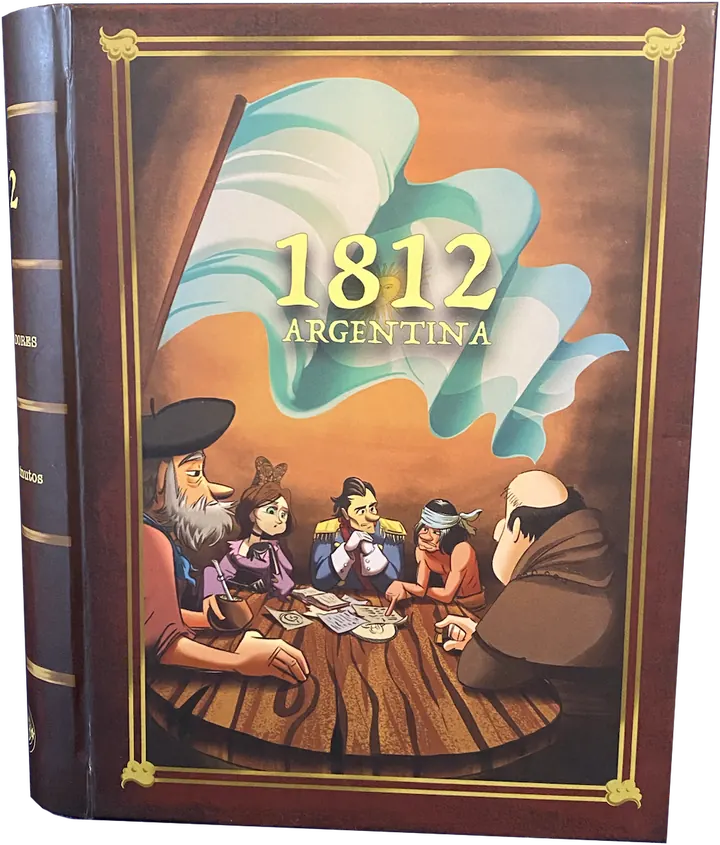
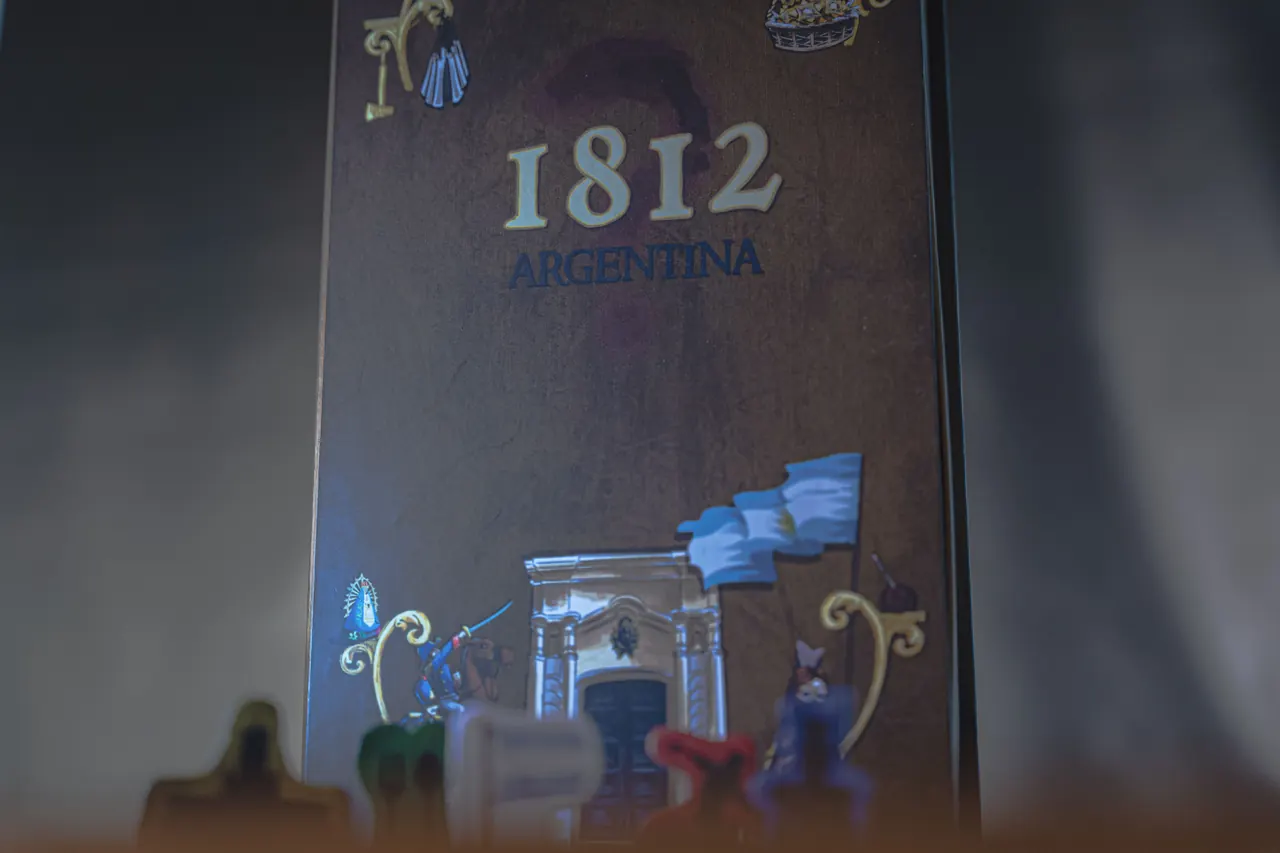
1812
Argentina
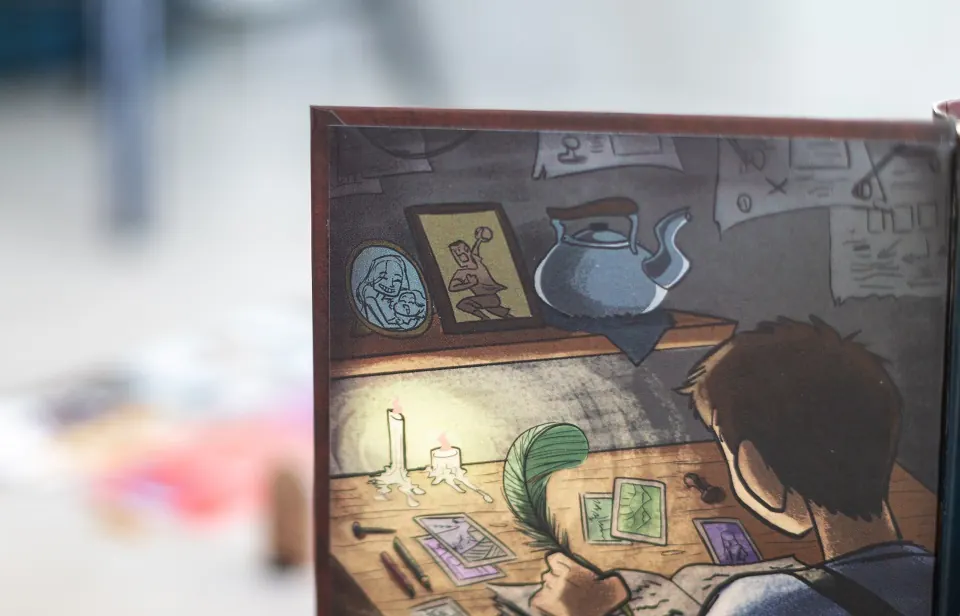
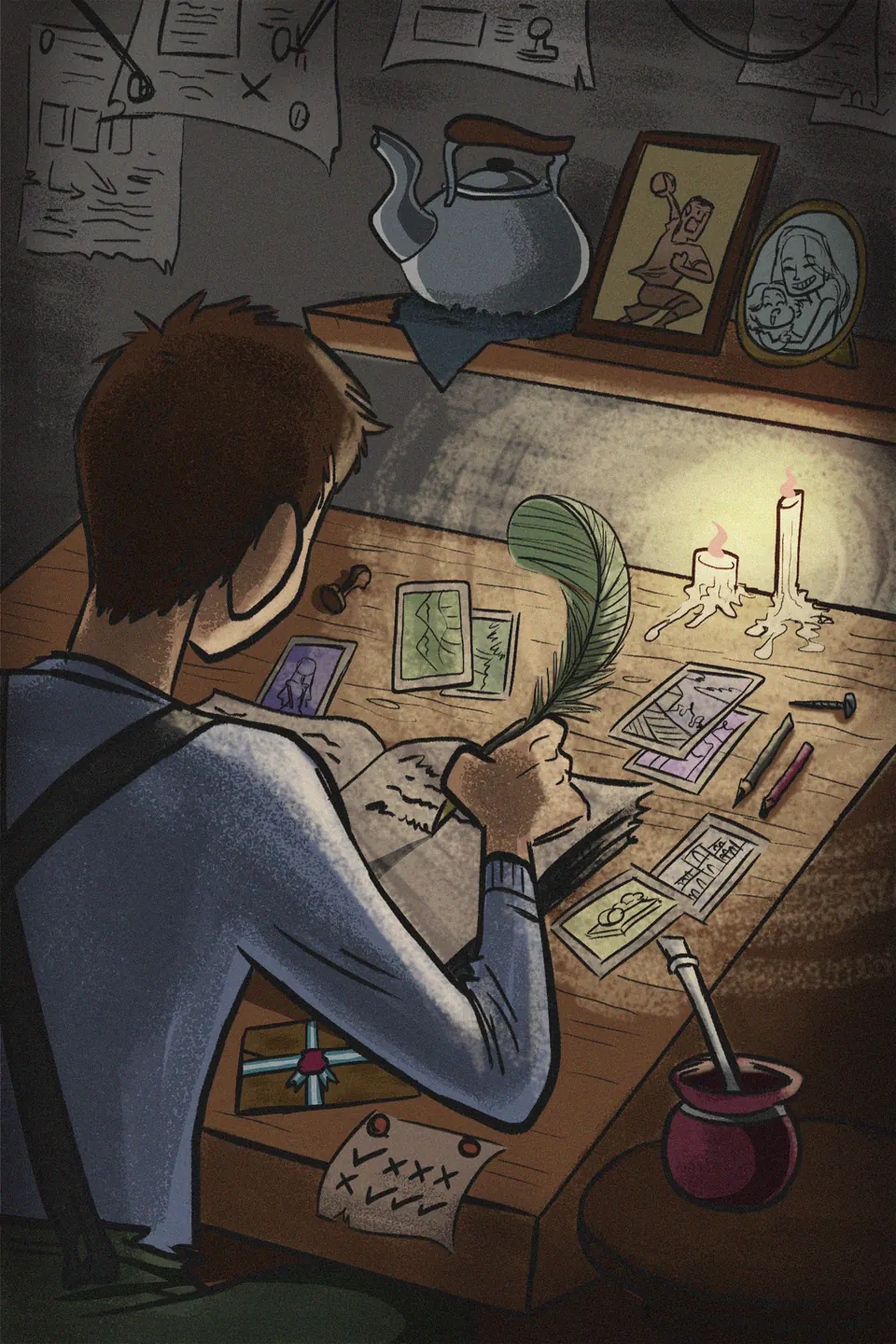
In 1812, the author of the book wrote the true story of how the flag was created. Without saying a word, the Author guides the Readers with dreamlike images. Who did Manuel Belgrano create it with? How did they meet? Where? What did they eat?
- 2–7 players
- Ages 8+
- 20 min
- 5 levels
19 €
BuyShipping within France: €10.
Game profile
What kind of game is it?
How much of each ingredient, from 1 to 5.
Complexity
Best with
3–5 players
For
- Families
- Schools
- Big groups
Mechanics
- Cooperative
- Deduction
- Limited communication
- Difficulty levels
All together
Author and Readers form one team: they win if they crack the code before the turns run out.
No talking
The Author can only help by handing out cards. No words, no gestures.
Envelopes with hits
Every guess gets an envelope showing how many digits are right, never which ones.
1812
How to play
Roles
One Author, everyone else is a Reader. Each row has a Captain who decides if there’s no agreement.
Setup
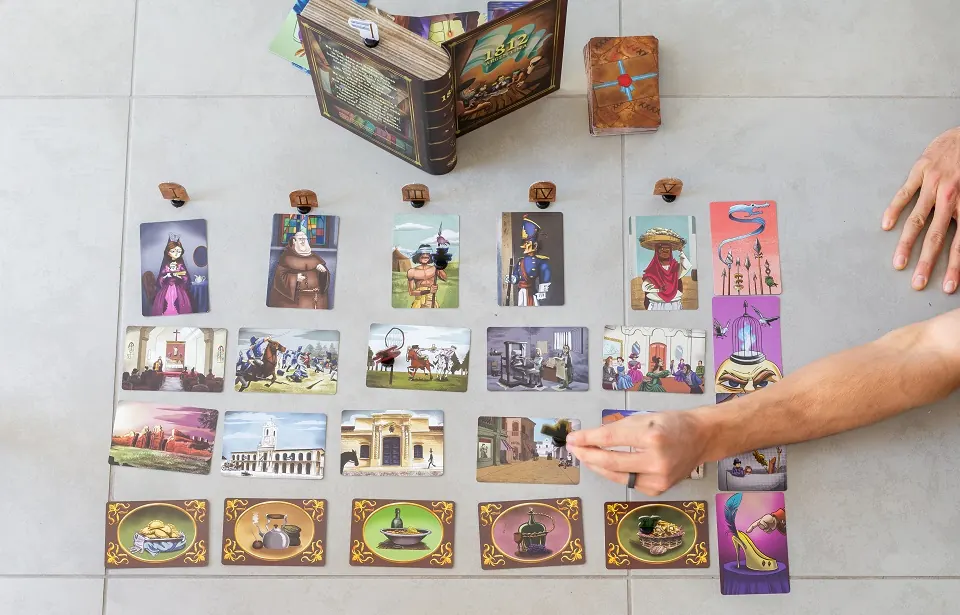
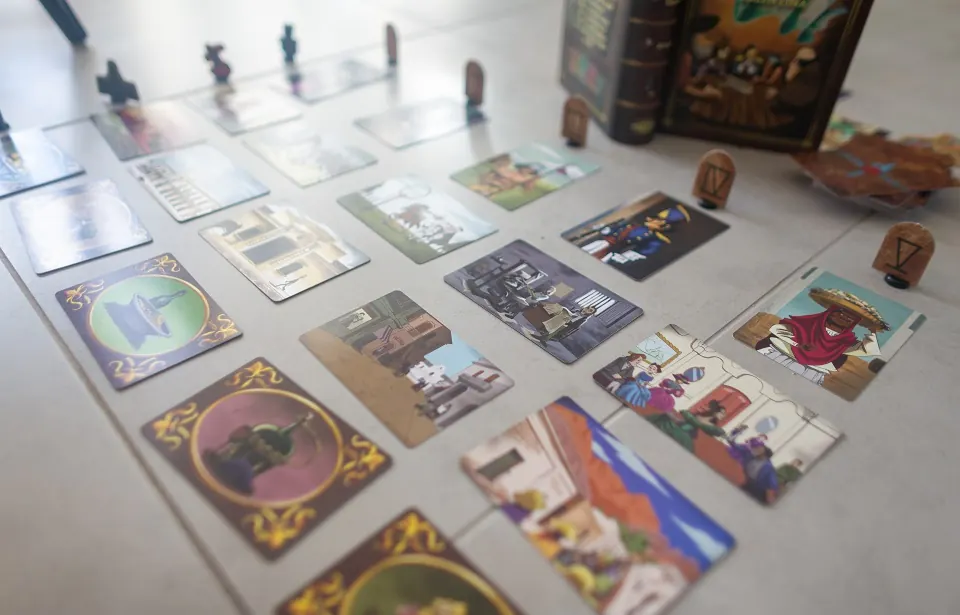
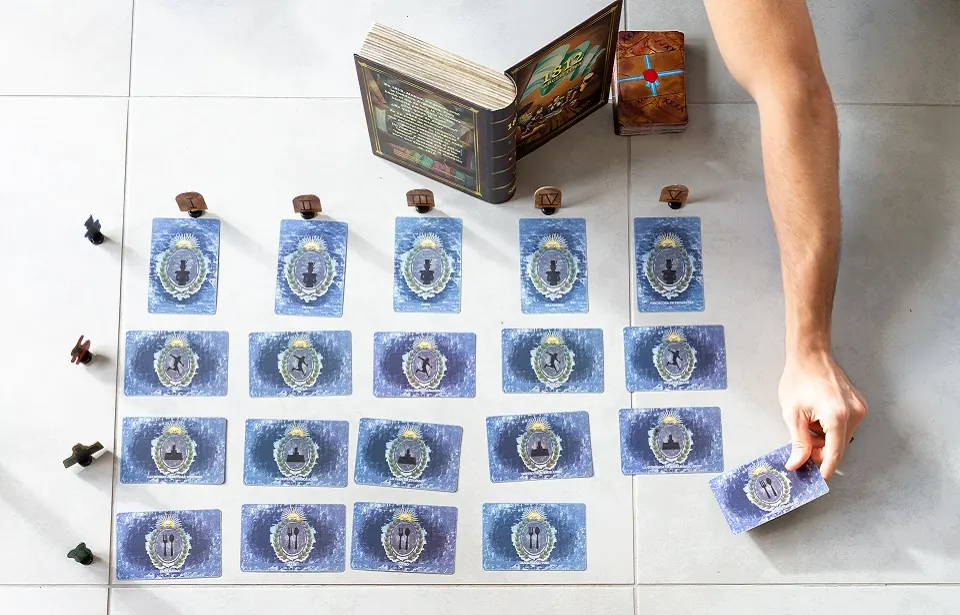
Four face-up rows: characters, situations, places and dishes, in 5 or 6 columns depending on the level. The book-box works as a screen.
The secret code
The Author rolls the dice inside the box: the color is the row and the number is the column.
Think in pictures
The Author takes six Author cards, chooses four and places one next to each row. Water for the washerwoman, a bowl for the locro stew.
Debate and decide
The Readers place their pawns, say the code out loud, and the Author hands over the envelope with the number of hits.
End of the game
Crack the code before the turns run out and everyone wins. At the end, the Author tells the true story using the four cards.
The rules that make it special
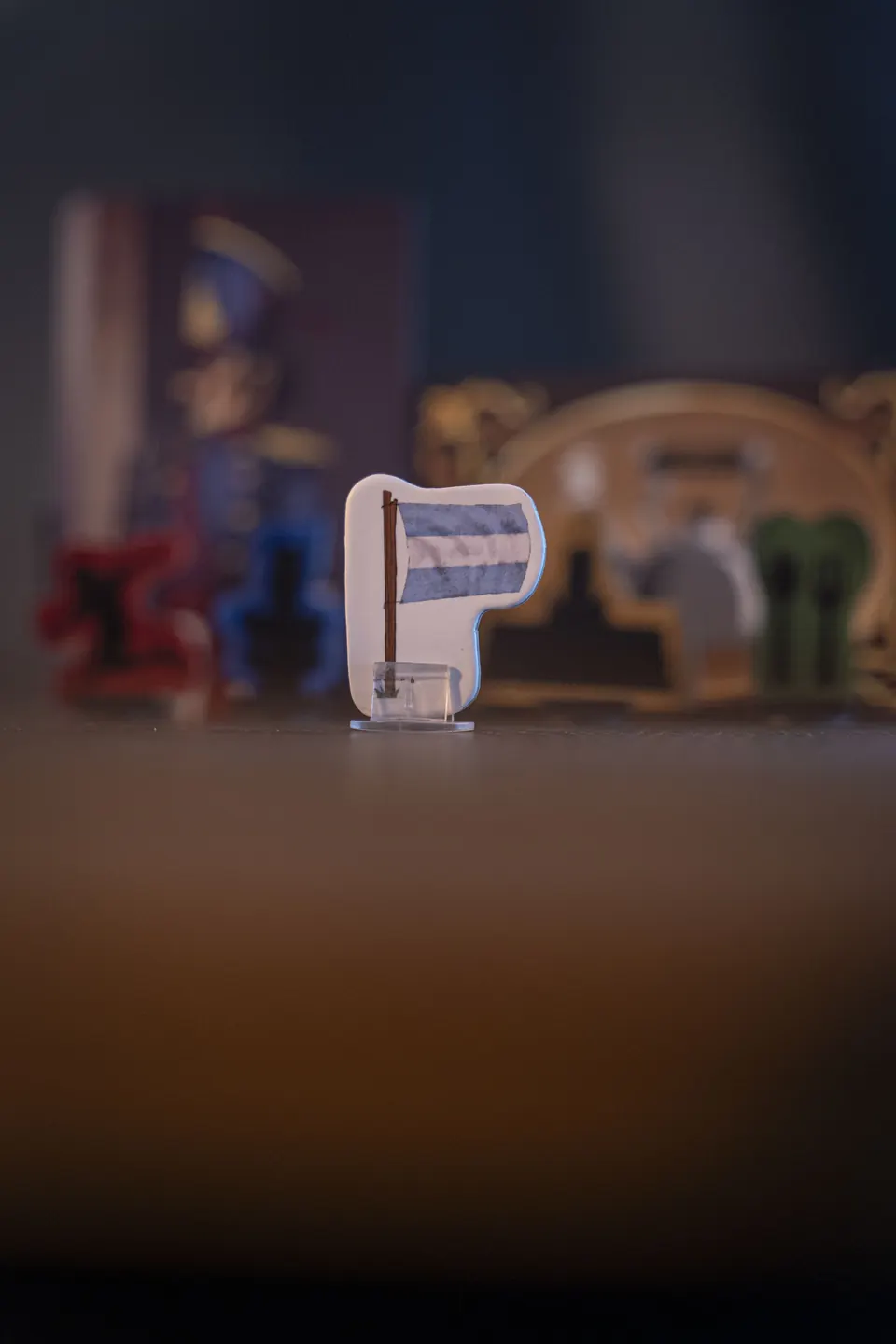
The flag
On levels that allow it, the Author can discard cards and draw back up to six. To announce it, they sing a verse of the national anthem.
Sand timer
For extra pressure, limit how long the Readers can debate.
Five difficulty levels
| Level | Columns | Flag | Turns |
|---|---|---|---|
| 1 | 5 | Yes | 5 |
| 2 | 6 | Yes | 4 |
| 3 | 6 | Yes | 4 |
| 4 | 6 | No | 4 |
| 5 | 6 | No | 3 |
The Reader cards
40 cards, four questions
Ten cards per row: characters, situations, places and dishes of the time. Each game puts five or six of each face up, depending on the level.
CharactersWith whom?
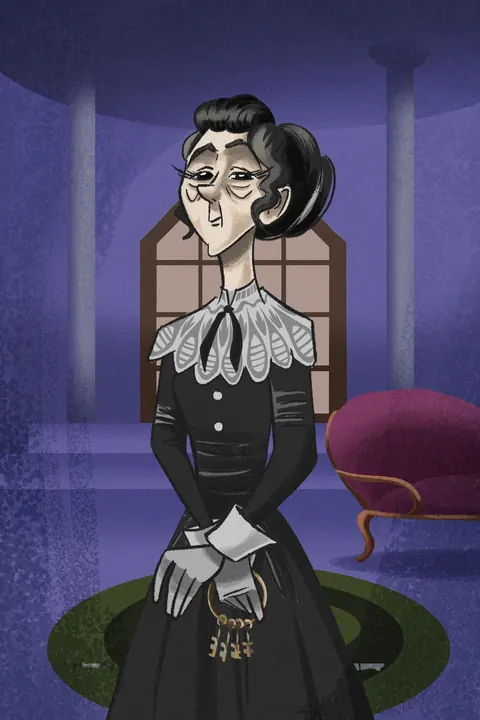
The housekeeper 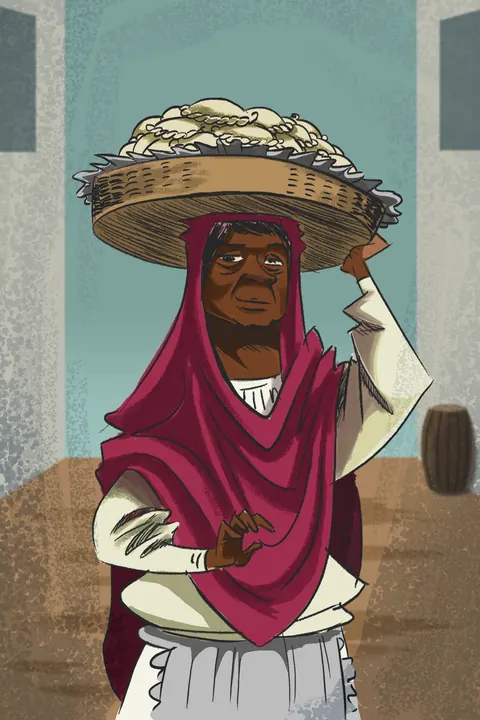
The empanada seller 
The chief 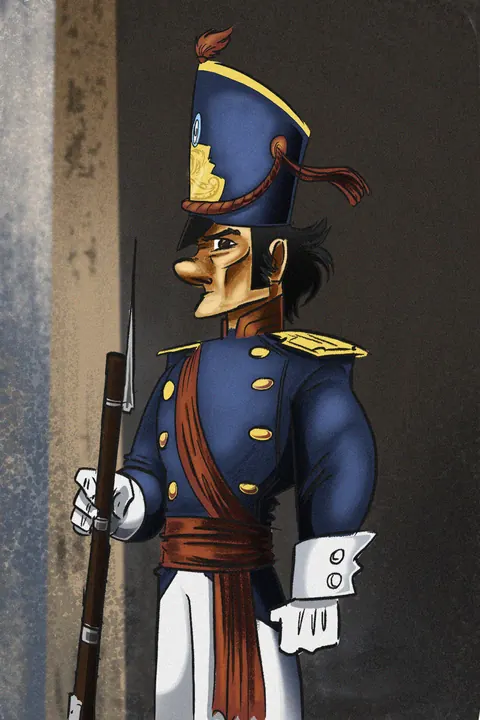
The grenadier 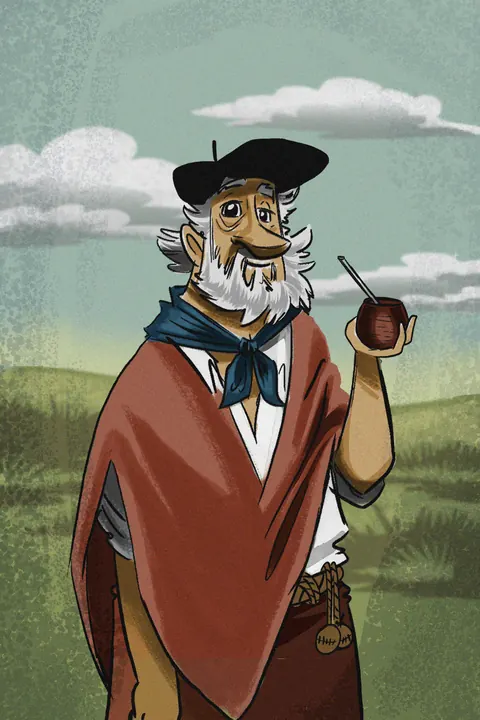
The gaucho 
The candle seller 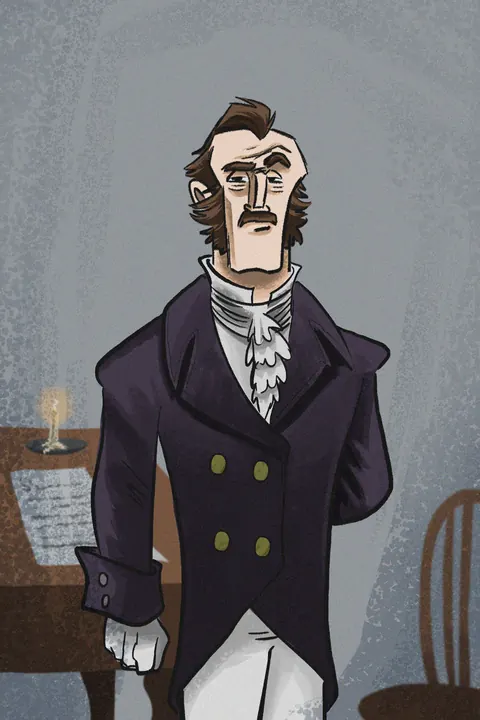
The lord 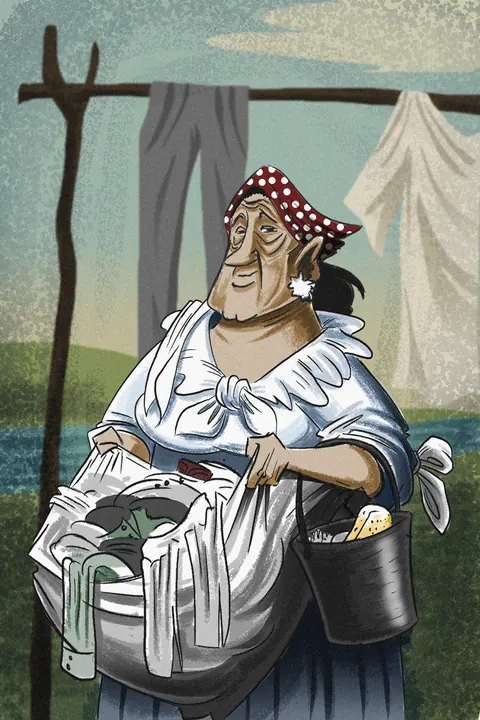
The washerwoman 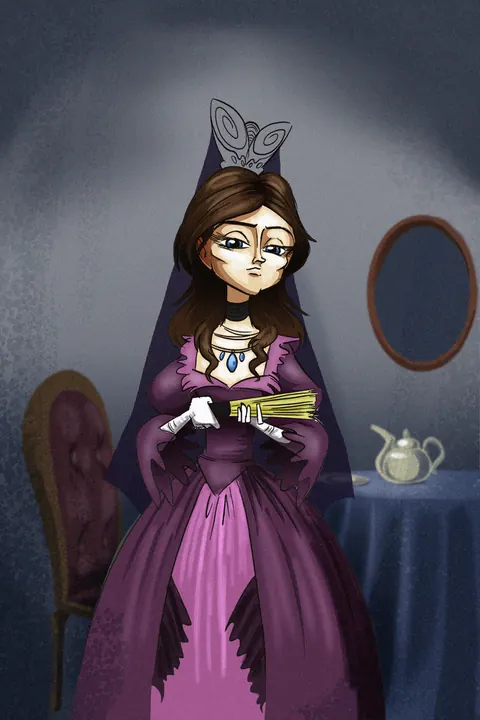
The lady 
The friar
SituationsHow did they meet?
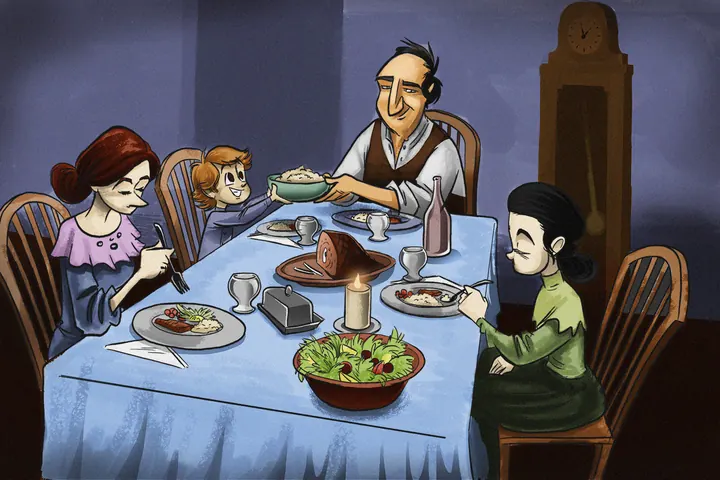
The dinner 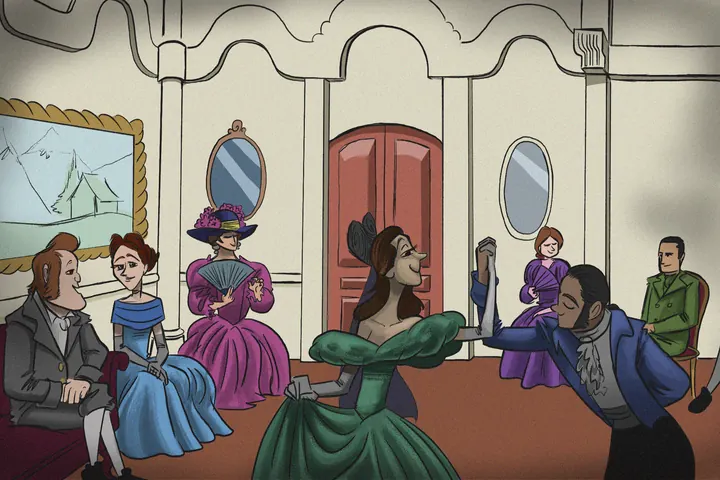
The ball 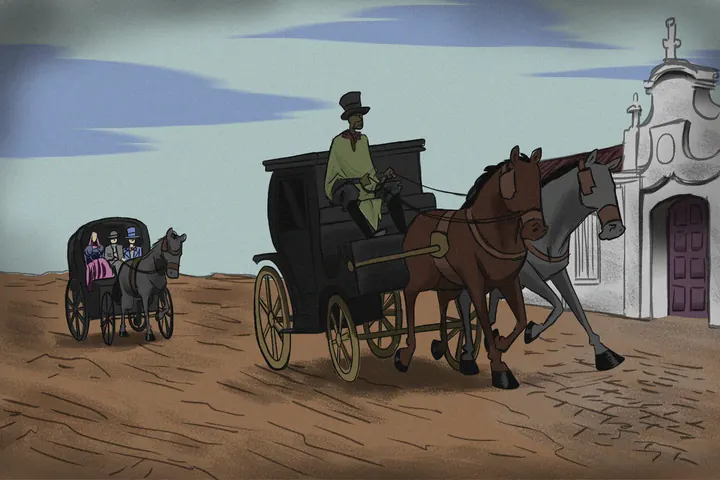
Arriving in Buenos Aires 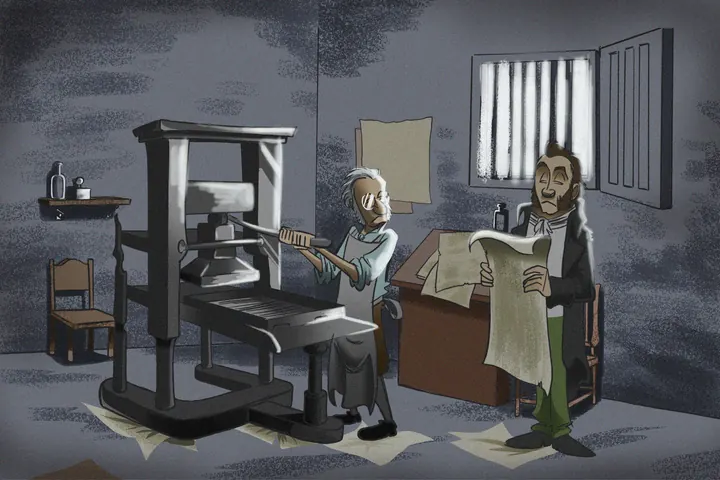
The printing press 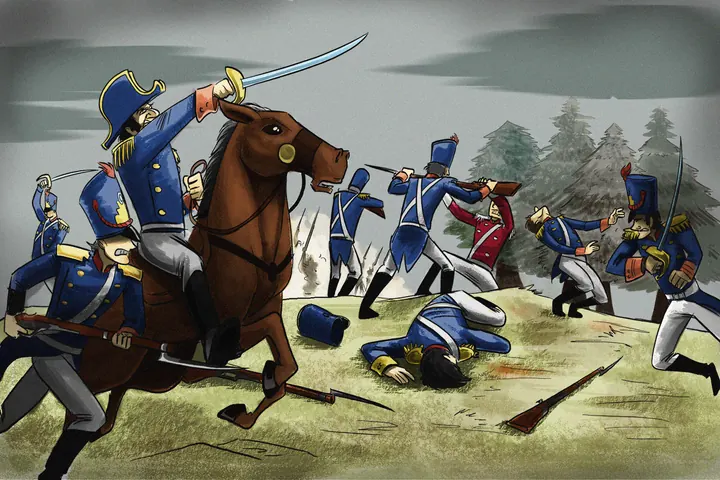
The battle 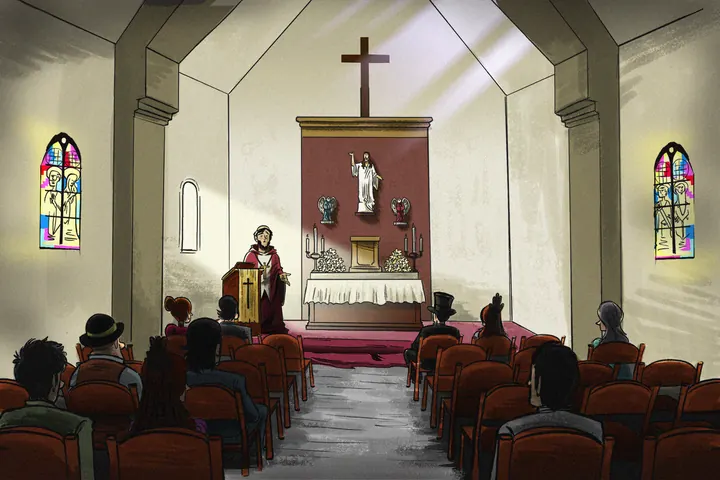
Mass 
The Manzana de las Luces 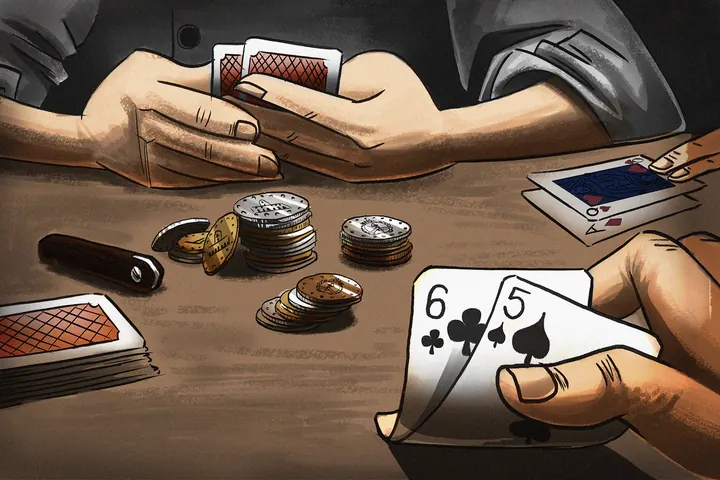
The card game 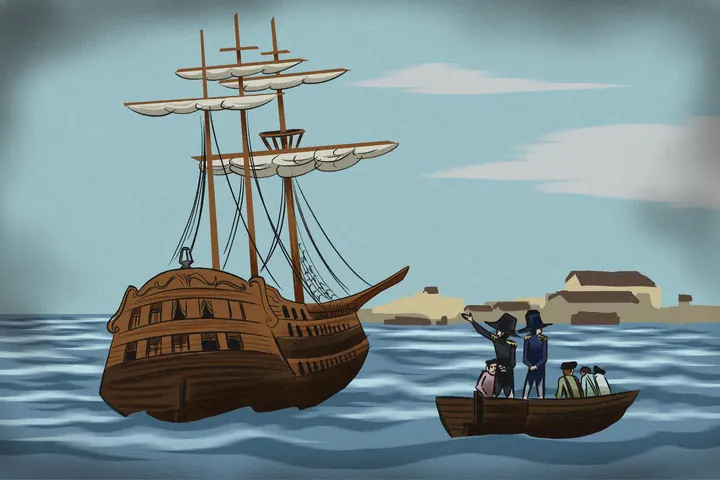
The landing 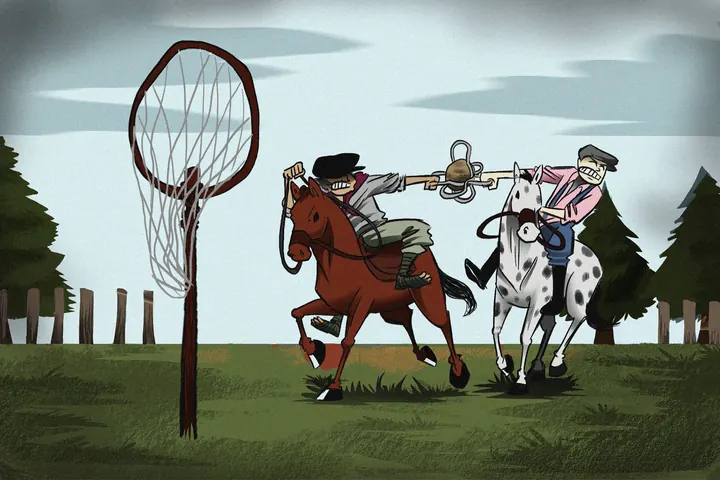
A game of pato
PlacesWhere?
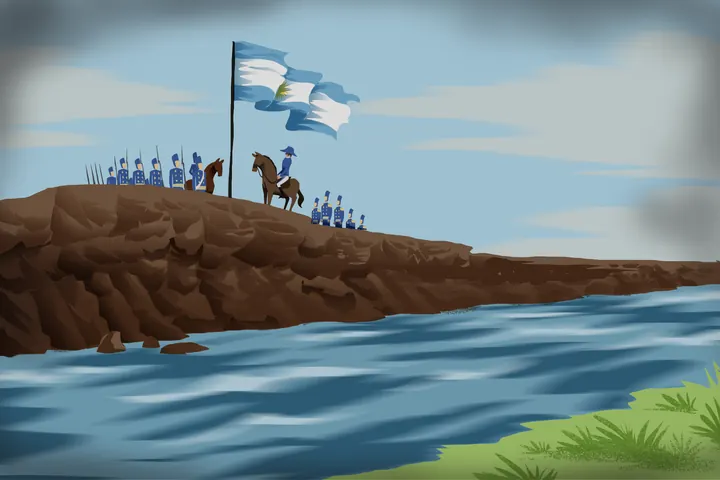
Rosario 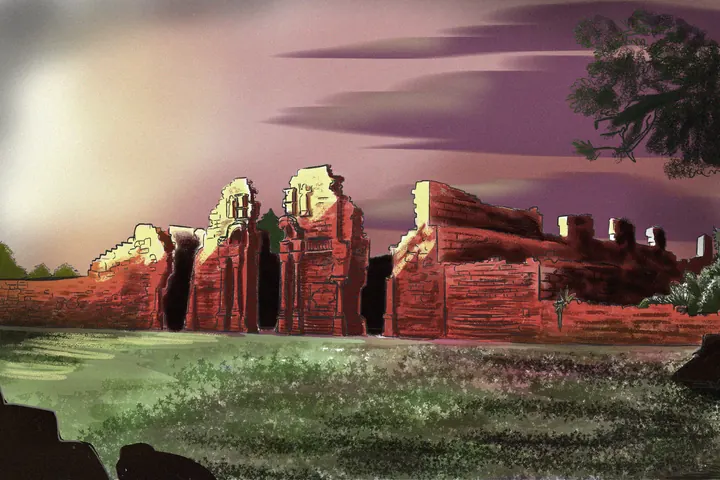
The Jesuit ruins 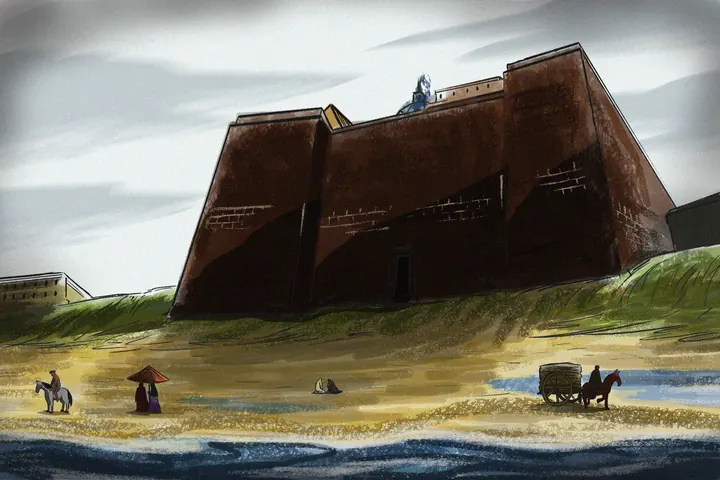
The Buenos Aires fort 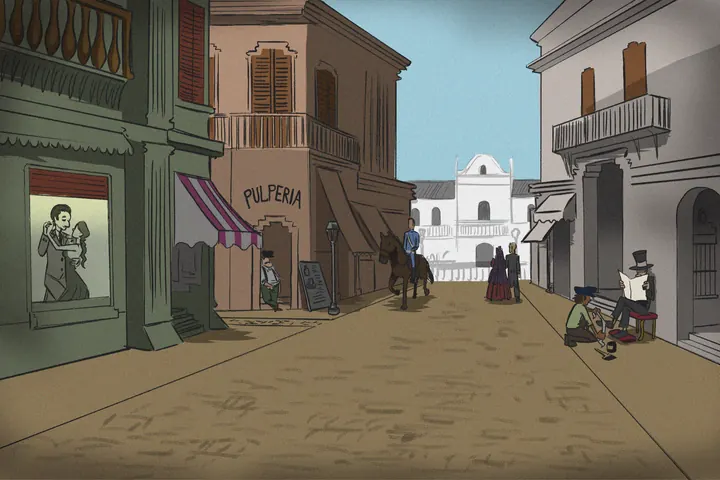
Downtown Buenos Aires 
Iguazú Falls 
The Mendoza vineyards 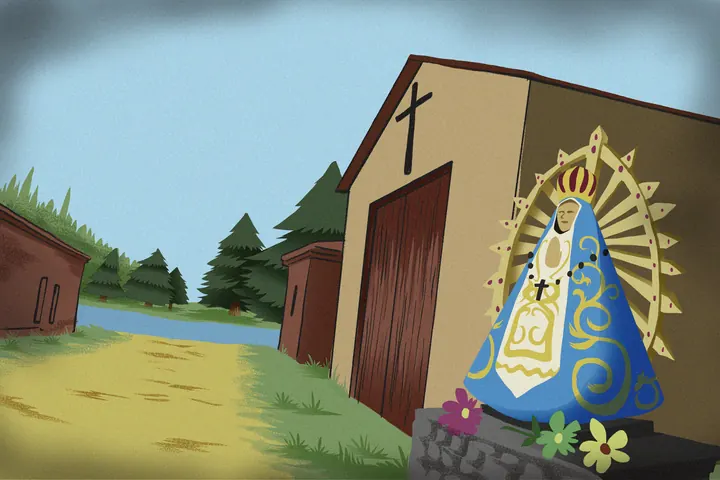
Luján 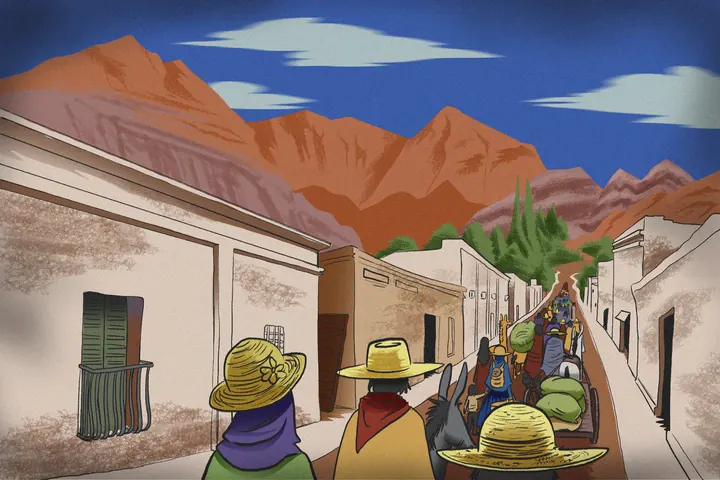
Jujuy 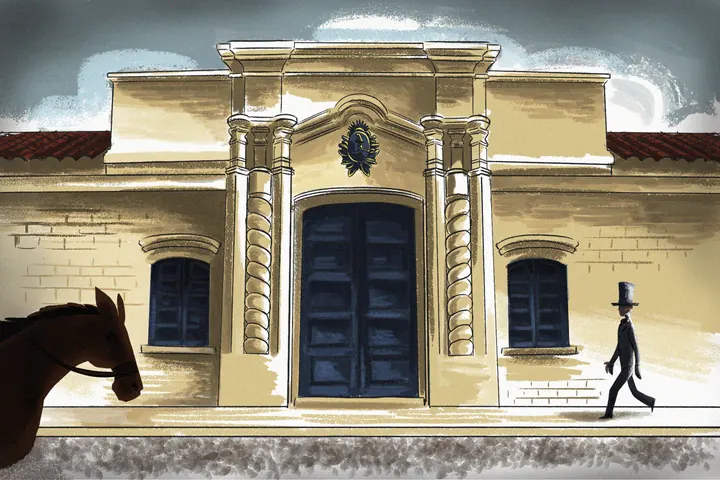
The House of Tucumán 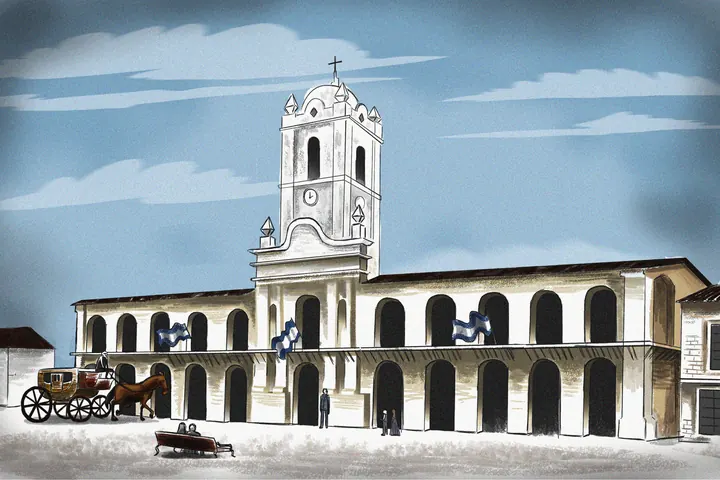
The Cabildo
DishesWhat did they eat?
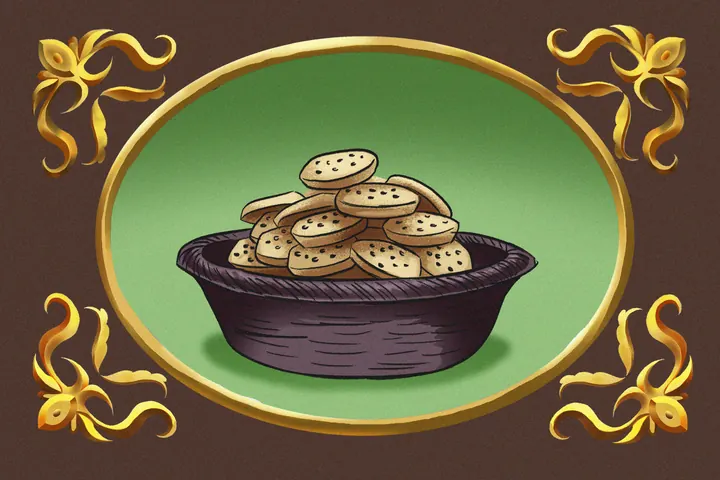
Bizcochos 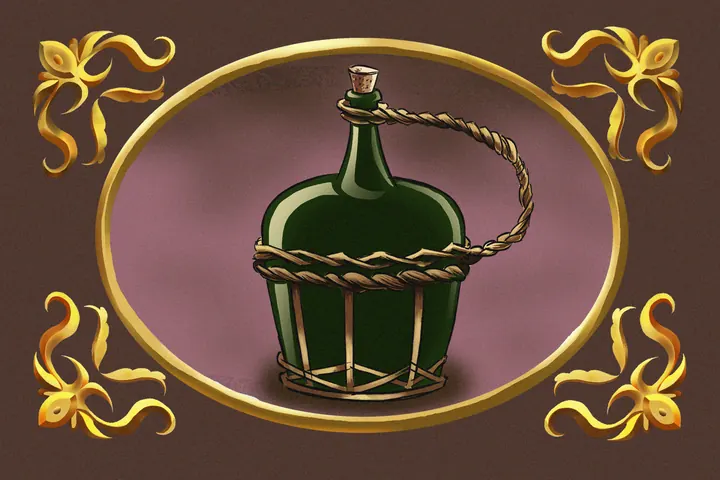
Wine 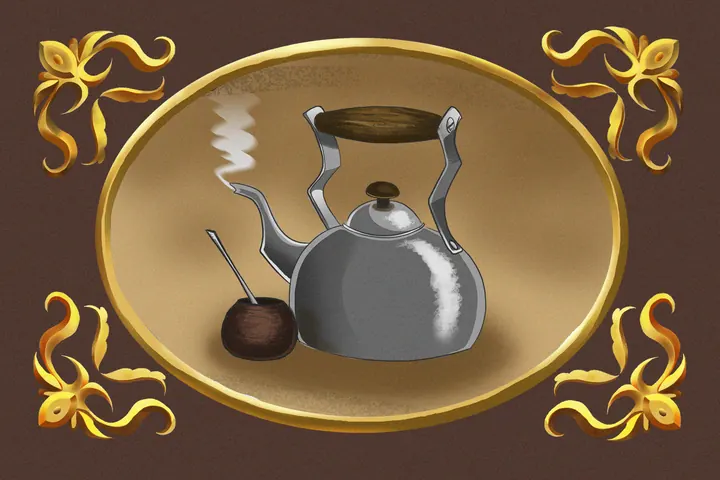
Mate 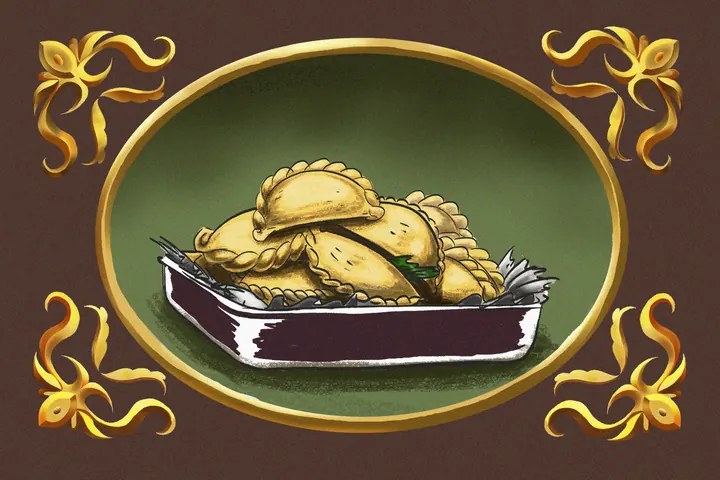
Empanadas 
Carbonada stew 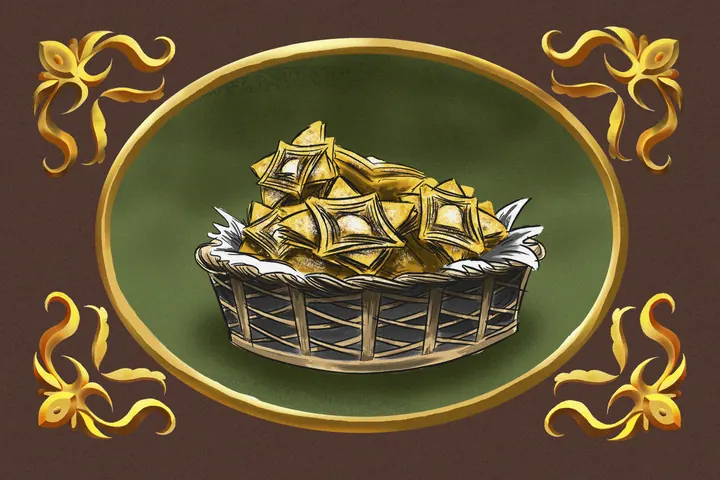
Pastelitos 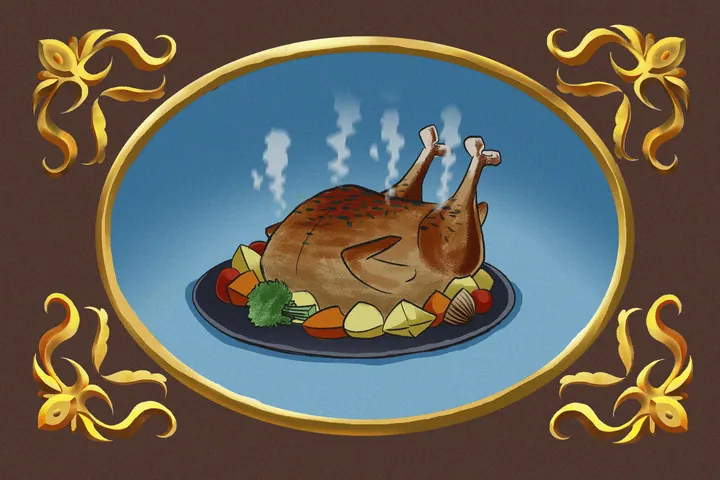
Roast chicken 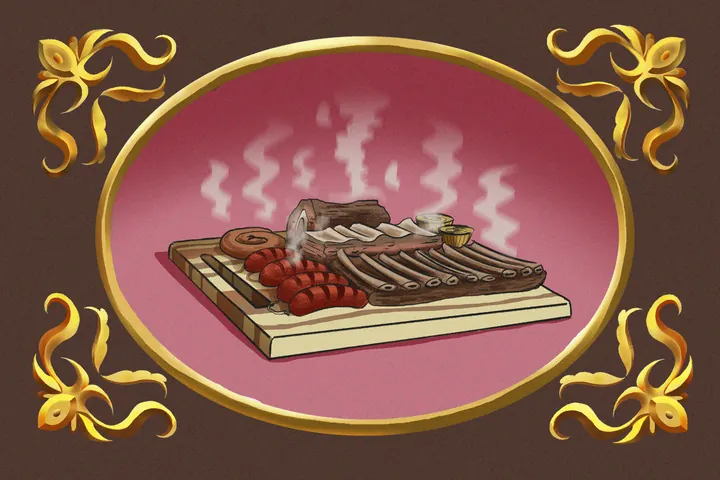
Asado 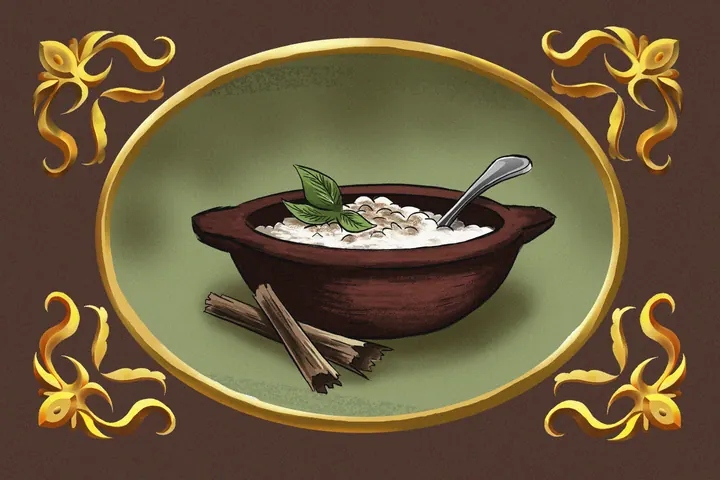
Mazamorra 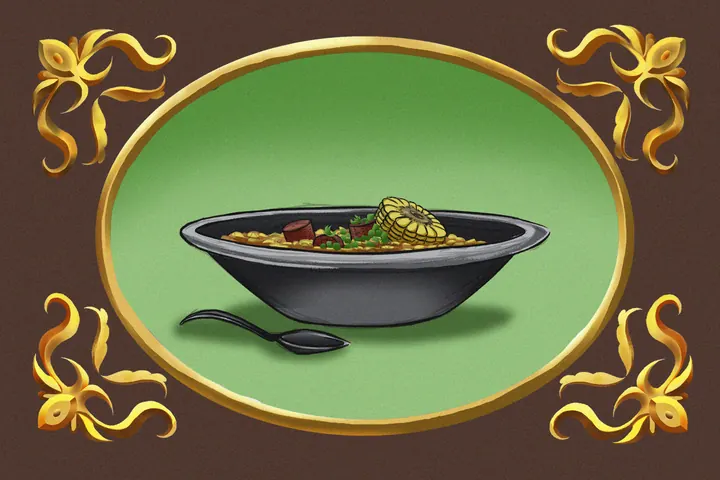
Locro stew
The Author cards
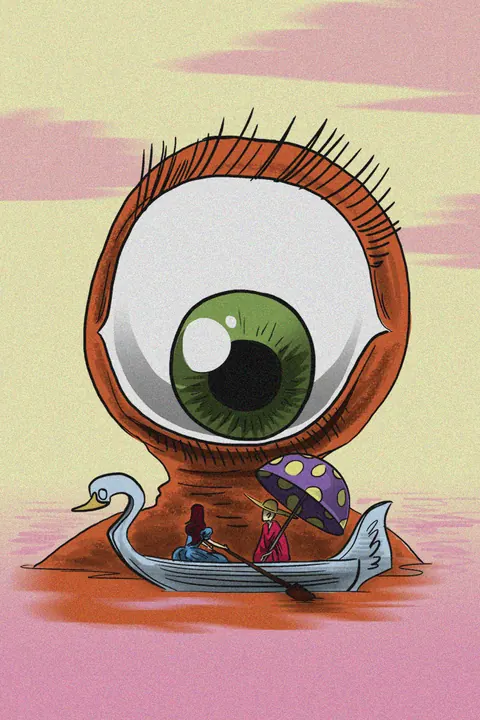
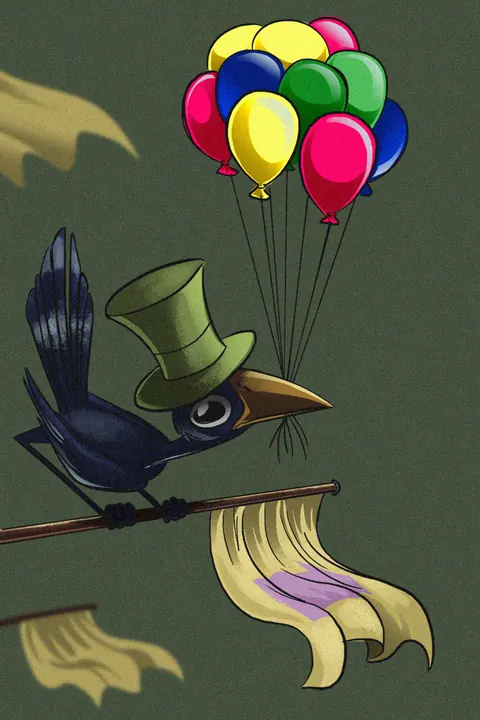
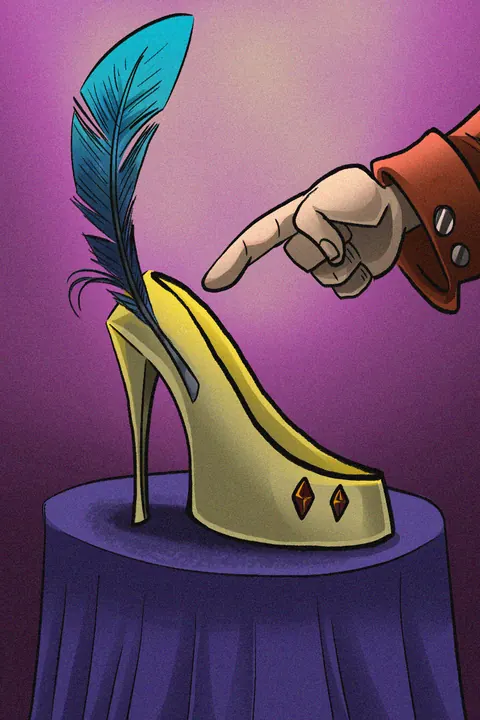
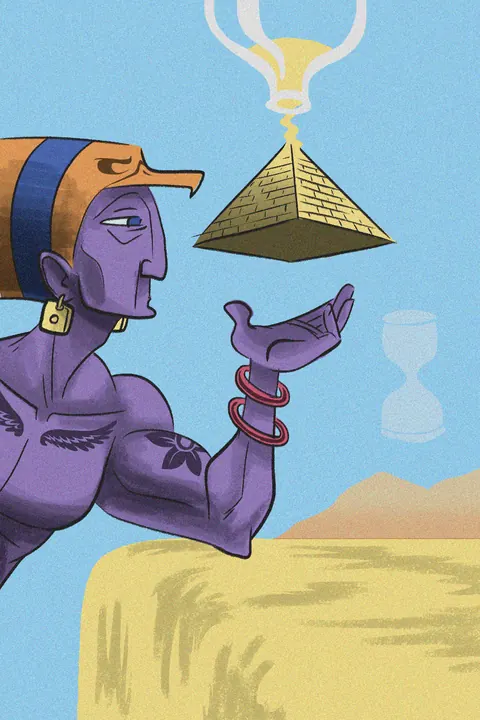
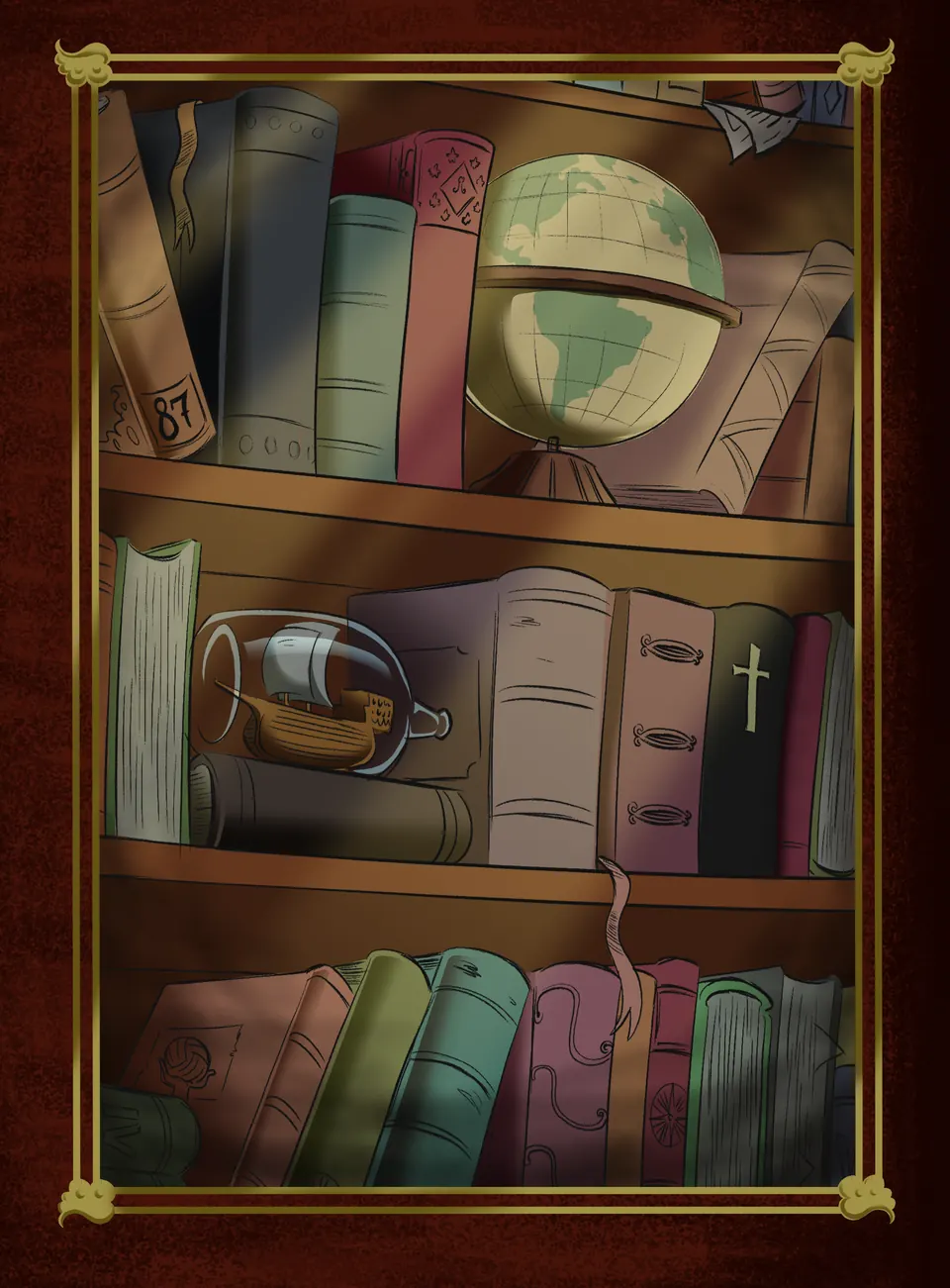
60 dreamlike images
None of them shows anything from 1812. The Author has to find a detail that points to the right card: a shape, a color, an object. And the Readers have to guess what the Author had in mind.






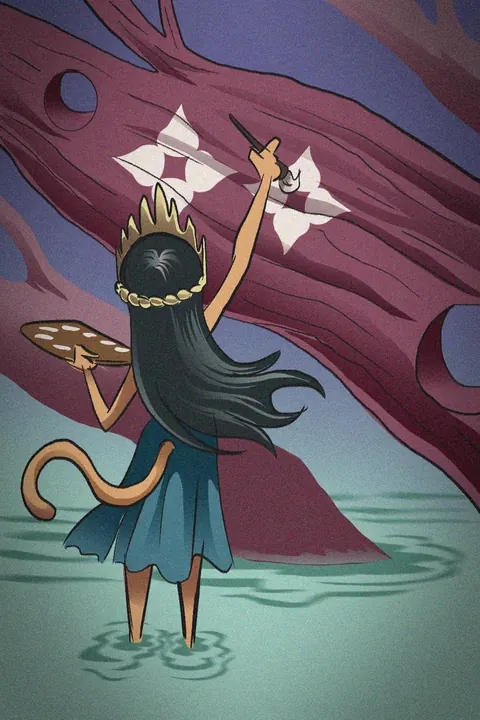
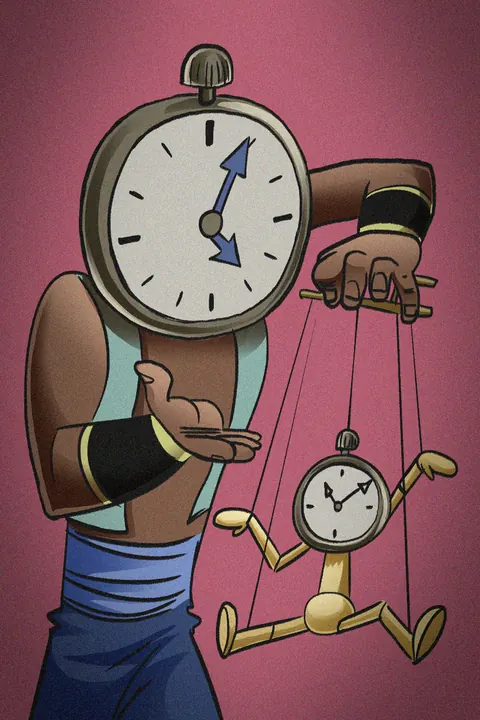


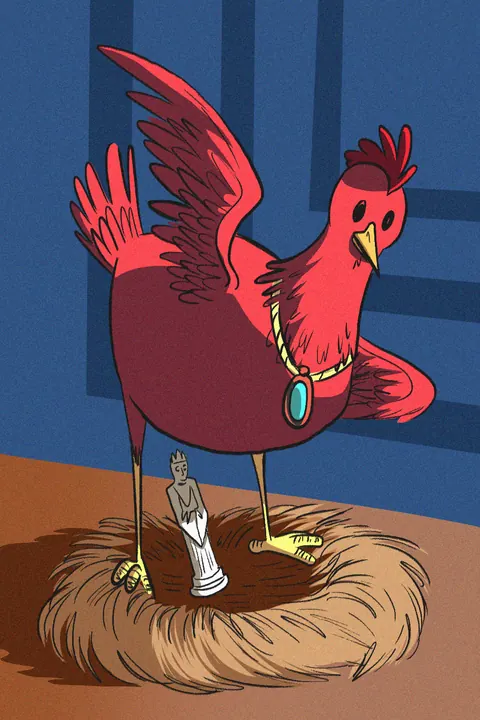

Try it here
Play one round as a Reader
Every game deals a different table, on level 3. The Author has already rolled the dice and placed a card next to each row. Pick one card per row and say the code: the envelope tells you how many digits are right, but not which ones.
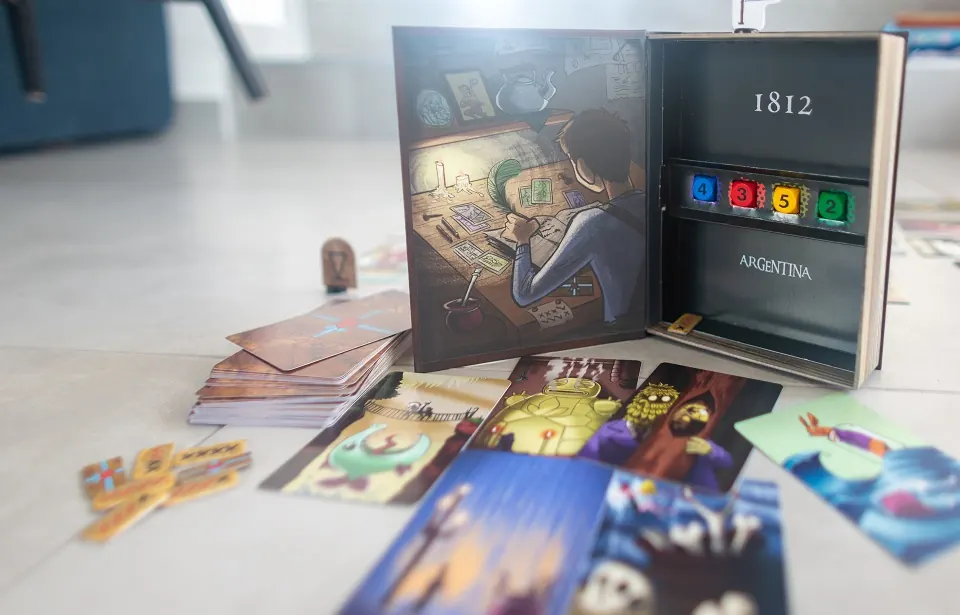
A book-box full of history
Characters, places, situations and typical dishes of the time, illustrated to discover as you play.
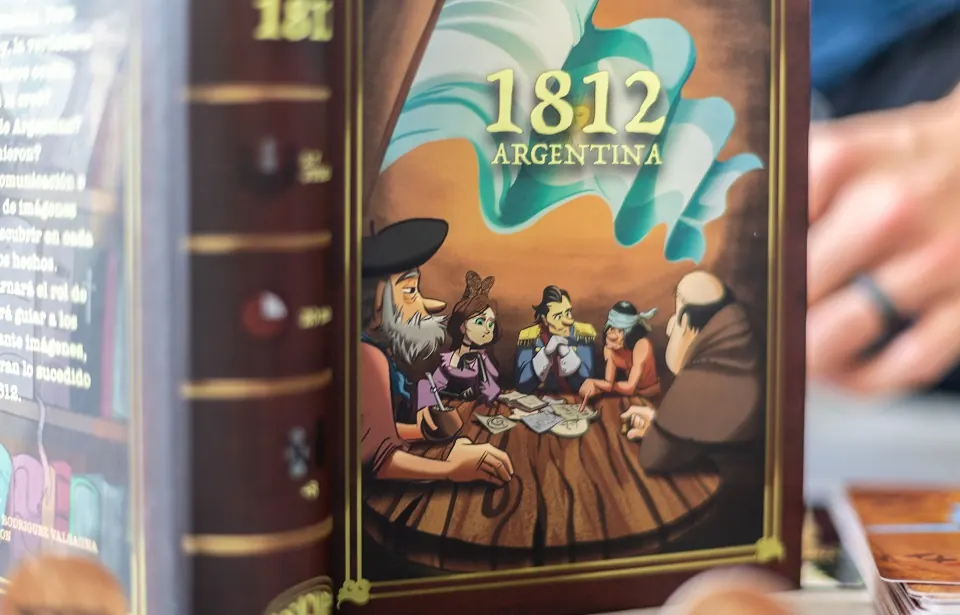
What’s in the box
- 60 Author cards
- 40 Reader cards: characters, situations, places and dishes
- 4 Author dice
- 4 Reader pawns
- 6 columns
- 20 envelopes
- 1 flag
- 1 sand timer
Rules and videos
Download the rules or watch how to play.
Credits
- Designer · Diego Simonet
- Illustration · Facundo Rodríguez Valsagna
- Design · Sol Dillon
- Historical research · Pato Brown
1812 was made to be played at home and at school. To use it in class, write to us.
More games from DS4Games
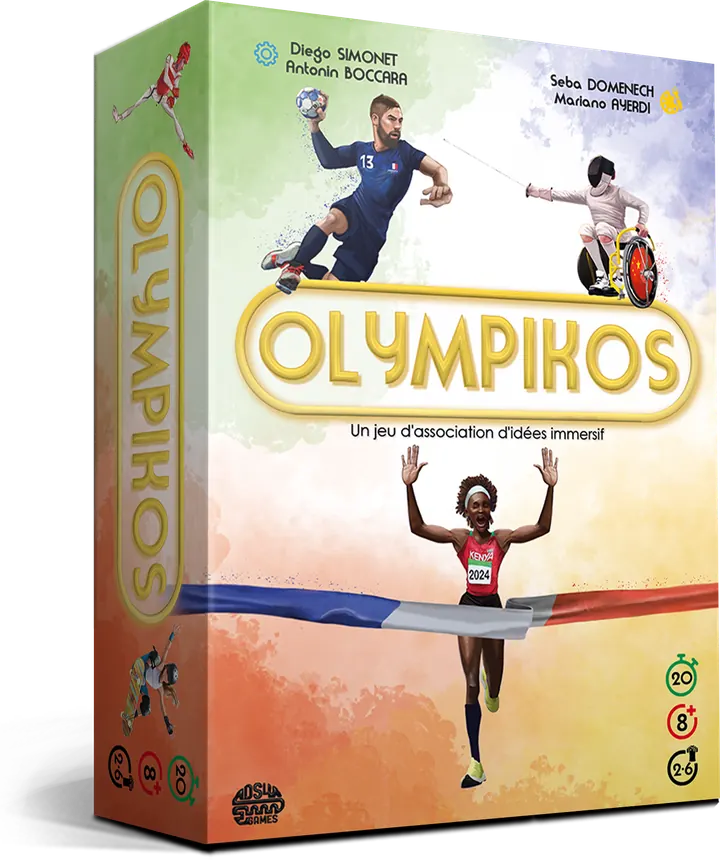
Olympikos
Who hasn’t dreamed of competing at the Olympics? Guess the sport first and step onto the podium.
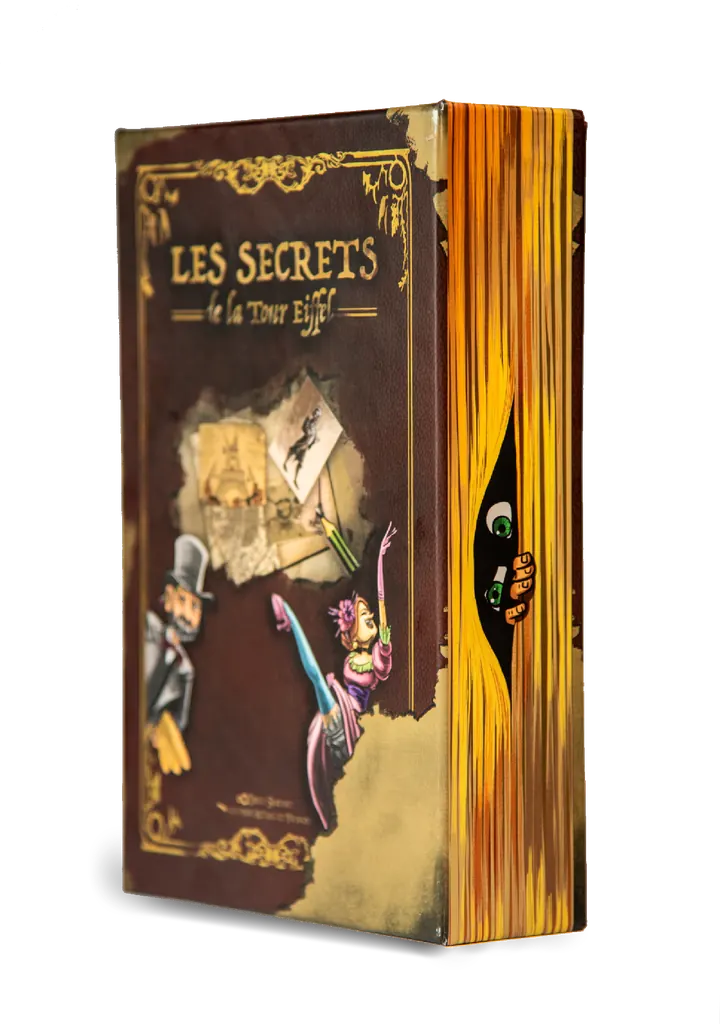
Les Secrets de la Tour Eiffel
Paris, 1889. The Author knows Gustave Eiffel’s secret, but can’t say a word.
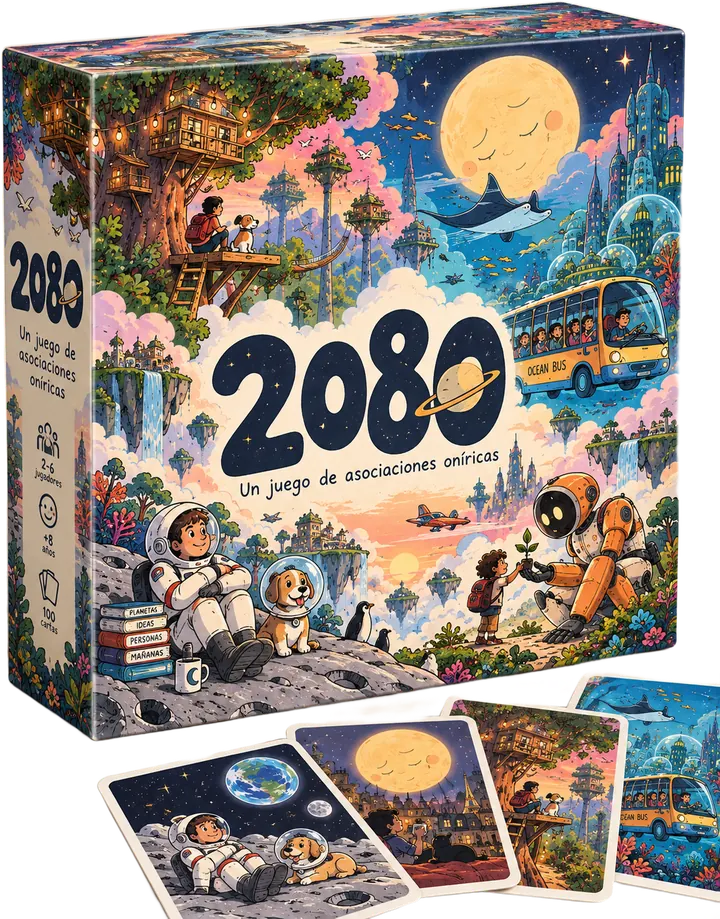
2080
The year 2080. Everyone says their code out loud, but nobody knows how many the others got right.